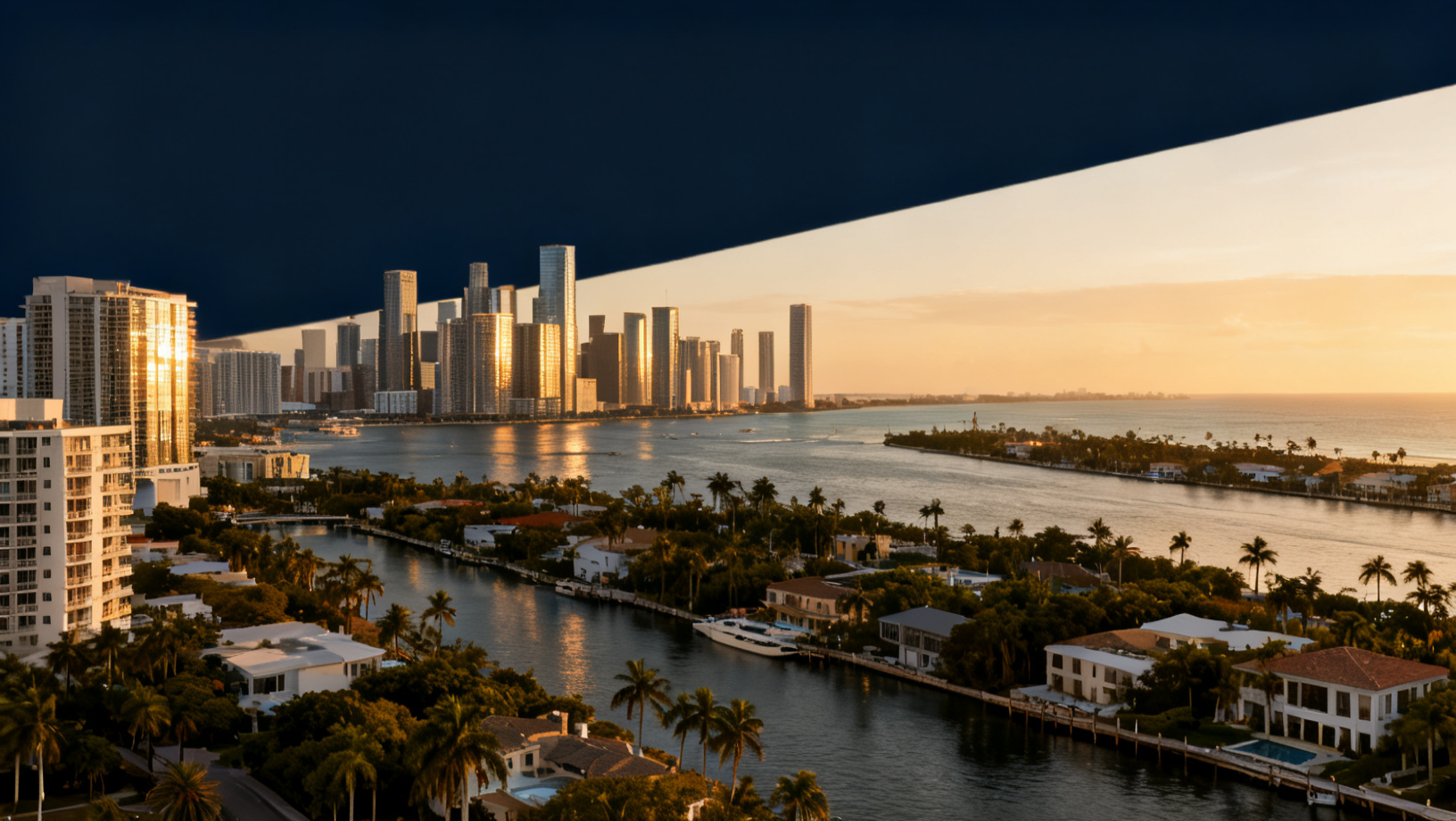

If you are selling a Miami condo in 2026, you need more than a nice listing and a few phone photos. Condo buyers in Miami are looking closely at building finances, association rules, insurance realities and price history, and sellers who prepare for those questions early tend to move faster and protect their bottom line.
Start with the numbers, not the wish price
The biggest mistake condo sellers make is pricing from emotion or from what a neighbor wants to get, not from what qualified buyers will actually pay. In Miami real estate, condo values can shift building by building, even when units are only floors apart. Views, reserves, upcoming assessments, rental rules and renovation level all matter.
In 2026, expect buyers to compare your unit against active competition, recent closed sales and the health of the building itself. A smart pricing strategy should attract strong showings in the first two weeks, not sit and chase the market down.
- Review the last 3 to 6 closed sales in your building, not just nearby towers
- Compare current active listings that a buyer would choose instead of yours
- Adjust for line, floor, view, parking, storage and renovations
- Factor in special assessments, monthly HOA dues and reserve status
- Price for today’s market, not for last year’s peak expectations
What buyers ask when selling a Miami condo
Today’s buyers, especially cash buyers and second-home buyers, come in with sharper questions. They are not only buying the unit, they are buying into the building. If you are not ready with clear answers, hesitation can turn into a lower offer or no offer at all.
This is especially true in coastal condo markets from Brickell and Edgewater to Sunny Isles, Aventura and the beaches. The same level of scrutiny shows up in Fort Lauderdale too, where buyers are weighing lifestyle, maintenance and long-term costs just as carefully.
- How much are the monthly association fees?
- Are there current or upcoming special assessments?
- Does the association have adequate reserves and clean financials?
- What are the rental restrictions, pet rules and move-in policies?
- Has the building completed required inspections or major structural work?
- What is included with the sale, parking, storage, appliances or furnishings?
The more of this information you organize before going live, the more confidence you create for buyers and their agents.
Get your condo documents ready before you list
Preparation saves deals. In many condo sales, contracts do not fall apart because of the unit itself, they fall apart because a seller scrambles to produce association documents, discovers a pending assessment late or cannot answer a basic building question quickly.
Before listing, pull together a seller packet. This makes your home easier to market and helps serious buyers move forward faster.
- Association application and contact information
- Current HOA budget, financial statements and reserve information if available
- Details on any pending or recently approved special assessments
- Building rules on rentals, pets, guest stays and move-ins
- Condo declaration, bylaws and FAQs for buyers
- A utility list, recent upgrades and appliance ages
- Key fobs, parking assignments, storage details and amenity access information
If your unit has permits for renovations, keep those handy too. Clean paperwork reduces back-and-forth during inspection and financing.
Know the real cost of selling
Sellers often focus on sale price and forget the line items that affect net proceeds. Before you list, map out what you are likely to pay so you can make stronger decisions on pricing, repairs and negotiation.
Costs vary by property and transaction structure, but most Miami condo sellers should expect a mix of closing costs, possible association fees and pre-sale prep expenses.
- Broker compensation
- Owner’s title-related closing costs, depending on the deal and local custom
- Condo association estoppel, application or transfer fees
- Prorated property taxes and HOA dues
- Special assessments due before or at closing
- Staging, deep cleaning, touch-up paint and photography
- Possible repairs after inspection or buyer requests for credits
A strong listing strategy is not just about getting the highest number on paper. It is about protecting your net after concessions, time on market and closing costs are all counted.
Presentation matters more for condos than most sellers think
Condo buyers shop visually first. They compare your unit against every polished listing online, often in the same building. If your photos feel dark, cluttered or dated, buyers may never schedule a showing, even if the unit is well priced.
For luxury homes and waterfront condos, presentation is even more important. Buyers are paying for a lifestyle, not just square footage.
- Declutter kitchen counters, vanities and balconies
- Use light staging that highlights views, layout and natural light
- Repair small issues like loose handles, burned-out bulbs and cracked caulk
- Deep clean glass, floors and grout, especially in bathrooms
- Photograph the unit at the best time of day for the view
- Show off building amenities, valet, pool, marina, gym or resident lounge when appropriate
A strong agent will also market the building story, the neighborhood and the buyer profile, whether that buyer is local, relocating, investing or looking for a second home.
Choose a listing strategy built for Miami and Fort Lauderdale buyers
Not every condo sale is the same. A downtown high-rise, a boutique waterfront building and a luxury sky residence all require a different approach. The right broker should know how to position your condo to the most likely buyer, not just put it in the MLS and wait.
That is where local experience matters. Jessalyn Falcon brings more than 20 years of experience serving Miami and Fort Lauderdale through Falcon Empire Realty, plus market visibility as host of The American Dream. For sellers, that means sharper positioning, stronger negotiation and marketing that reflects how buyers actually shop South Florida properties.
- Target local buyers, out-of-state relocations and international interest when appropriate
- Use professional photography, video and digital promotion that fits the price point
- Pre-qualify buyer interest to reduce wasted showings
- Coordinate showings around building rules and resident access
- Negotiate with the condo association process in mind, not against it
- Track buyer feedback quickly and adjust strategy before your listing goes stale
Frequently asked questions
Should I renovate before selling my Miami condo?
Only if the updates will clearly improve marketability or sale price. Paint, lighting, hardware and cosmetic repairs often pay off faster than a full remodel.
Do special assessments scare buyers away?
Not always, but surprises do. If there is an assessment, disclose it early and price the condo with that reality in mind.
How long does it take to sell a condo in Miami?
It depends on price, building condition, inventory and buyer demand. Well-priced, well-presented condos with clean documents usually move faster than units with unclear association issues or overreaching pricing.
Ready to sell with a clear plan?
If you are thinking about selling in Miami or Fort Lauderdale, Jessalyn Falcon can help you price your condo strategically, prepare it for market and navigate the details that often delay condo deals. Reach out to Falcon Empire Realty for a focused, local selling plan built around your building, your timeline and your goals.