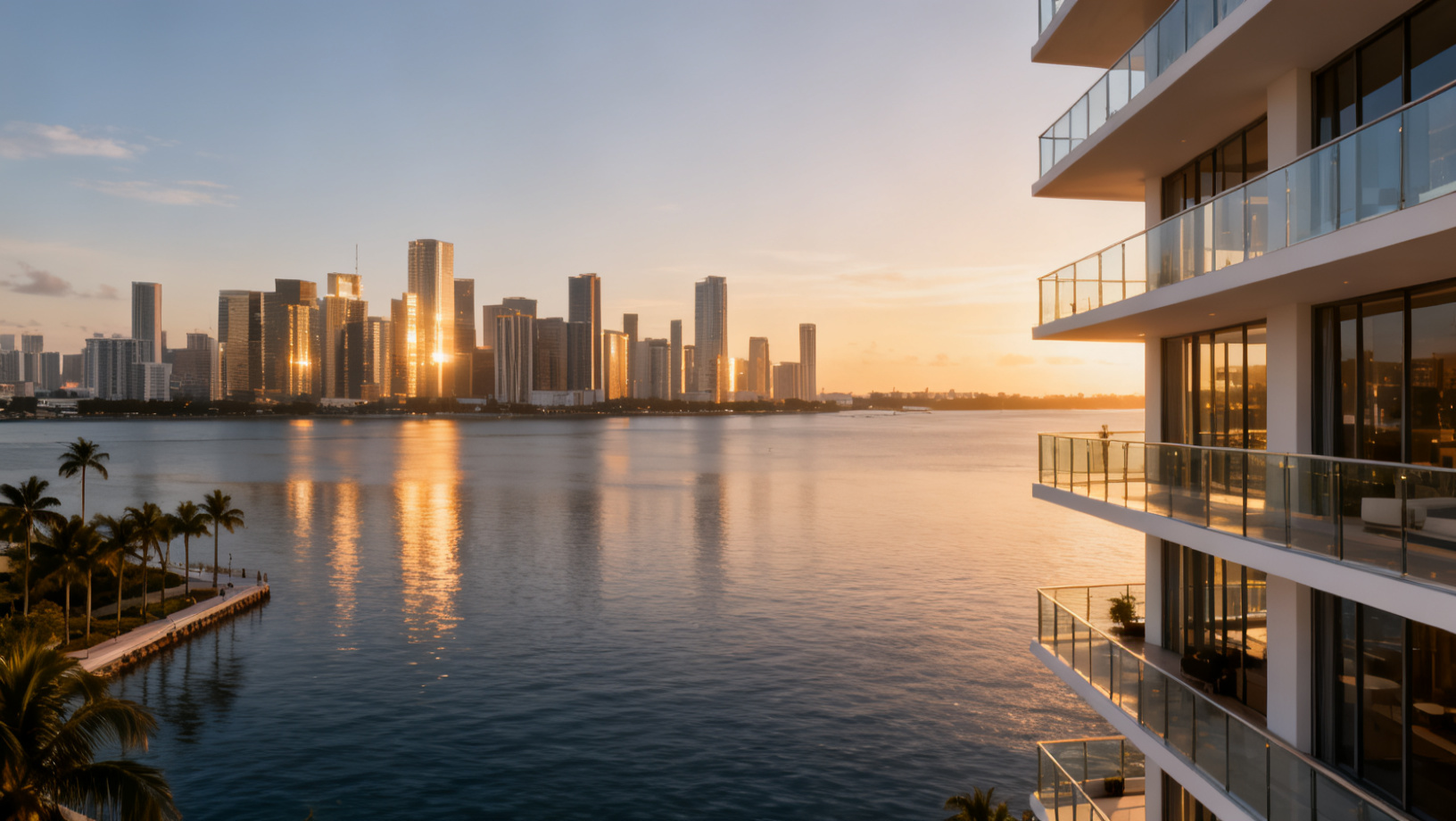
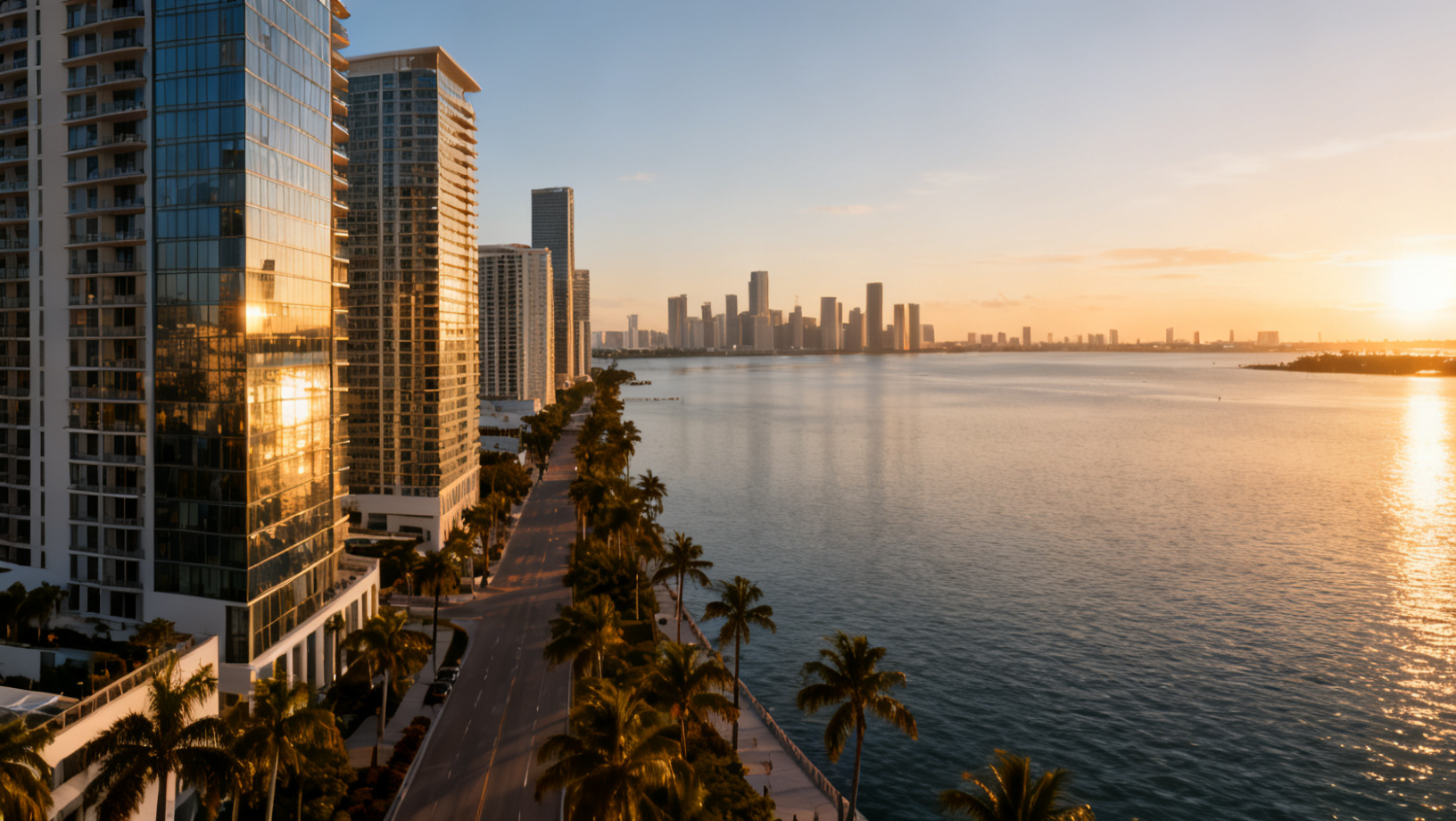
Miami real estate moves fast, but fast does not mean careless. If you are buying or selling in Miami or Fort Lauderdale, the best results come from knowing your numbers, your timing and your neighborhood before you make a move.
This guide breaks down what buyers and sellers need to focus on right now, from financing and pricing to inspections, insurance and local market strategy.
How to prepare for Miami real estate as a buyer
In South Florida, strong buyers do more than browse listings. They get fully ready before they tour homes, especially in competitive price points and desirable neighborhoods near the water, top schools or major commuter routes.
- Get fully underwritten, not just pre-qualified. Sellers in Miami and Fort Lauderdale take stronger financing seriously.
- Set a real monthly budget that includes taxes, HOA fees, insurance and maintenance, not just principal and interest.
- Know your non-negotiables. For example, condo vs single-family, parking, flood zone exposure, walkability or waterfront access.
- Review the building or community rules early. Condo reserves, rental restrictions and assessments can change the deal.
- Be ready to move quickly when the right property hits, especially for well-priced homes in Coral Gables, Brickell, Coconut Grove, Las Olas or Victoria Park.
One of the biggest mistakes buyers make is stretching for the purchase price and forgetting the true cost of ownership. In coastal Florida, insurance and association costs can be just as important as the mortgage payment.
What sellers need to do before listing
Sellers usually focus on the list price first. That matters, but preparation matters just as much. A home that looks clean, updated and easy to evaluate attracts better offers and fewer delays once it goes under contract.
- Fix obvious issues before photos and showings, leaky faucets, damaged drywall, worn paint and broken fixtures.
- Gather key documents early, permits, HOA information, utility averages, age of roof, HVAC and water heater.
- Stage for your likely buyer. Luxury homes need polished presentation, while family homes need functional, bright and welcoming spaces.
- Invest in professional photography and video. South Florida buyers often begin online and decide fast.
- Be realistic about timing. If you need to buy and sell at the same time, build a plan before you list.
Jessalyn Falcon’s approach at Falcon Empire Realty is results-driven because presentation and positioning are not optional in this market. Buyers compare everything, and they have options.
Pricing strategy in Miami and Fort Lauderdale
Pricing is where many deals are won or lost. Overpricing can make a listing sit. Underpricing without a clear strategy can leave money behind. The right price comes from local comparables, property condition, inventory levels and buyer demand in that specific area.
- Compare with recently sold homes, not just active listings. Active homes show competition, sold homes show what buyers actually paid.
- Adjust for building amenities, water views, renovations, lot size, school zone and parking.
- Study micro-markets. Miami Beach, Brickell, Pinecrest and Fort Lauderdale do not behave the same way.
- Watch days on market. A stale listing often ends up chasing the market down.
- Use pricing as part of a negotiation strategy, not a guess.
For buyers, pricing strategy matters too. A lower list price does not always mean better value. Some properties need major work, have restrictive condo rules or carry high monthly costs that change the real picture.
Local factors that change the deal
South Florida real estate comes with details that out-of-area buyers and first-time sellers often underestimate. These details can affect value, financing, timeline and peace of mind.
- Insurance: Wind, flood and overall homeowners coverage can vary widely by location and property type.
- Condo reviews: Budget health, reserves, pending assessments and association rules deserve close review.
- Flood zones: Waterfront and low-lying areas need extra attention before you commit.
- Age of major systems: Roof, impact windows, electrical and plumbing updates often affect insurability and negotiation leverage.
- Seasonality and relocation traffic: International buyers, second-home buyers and local move-up buyers can all shape demand.
Luxury homes require even tighter due diligence. Waterfront conditions, dock rights, privacy, smart home systems and finish quality all influence long-term value and negotiation room.
How to choose the right agent in Miami and Fort Lauderdale
Not every agent is built for a market this layered. You want someone who understands pricing, negotiations, neighborhood differences and the details that can derail a South Florida transaction.
- Ask how they price homes and what data they use for Miami and Fort Lauderdale neighborhoods.
- Ask how they help buyers compete without overpaying.
- Ask what their marketing actually includes, photography, video, digital reach, local exposure and follow-up.
- Ask how they handle inspections, appraisal issues, condo reviews and insurance-related surprises.
- Choose someone with a strong local network, lenders, inspectors, attorneys, contractors and title partners.
Jessalyn Falcon brings more than two decades of experience serving Miami and Fort Lauderdale, plus a public-facing market presence as host of The American Dream. That combination matters when you want sharp guidance, confident negotiation and local credibility.
Frequently asked questions
Is it better to buy or rent in Miami right now?
It depends on your timeline, cash reserves and monthly payment comfort. If you plan to stay for several years and can handle ownership costs, buying may build more long-term value.
What should I fix before selling my Fort Lauderdale home?
Start with anything visible or functional, paint touch-ups, lighting, hardware, leaks, landscaping and deferred maintenance. Buyers notice condition immediately, and small fixes often improve offers.
How long does it take to close in South Florida?
Cash deals can move quickly, while financed deals often take several weeks depending on appraisal, condo review, title work and insurance. The timeline is smoother when documents and inspections are handled early.
Ready to make your move with Jessalyn Falcon?
If you are buying, selling or upgrading in Miami or Fort Lauderdale, work with a broker who knows how to protect your position and push for results. Contact Jessalyn Falcon at Falcon Empire Realty for a strategy tailored to your property, price point and next move.